Chronicle
Stories behind the dining room — told the long way
The Forty-Year Mole at Doña Lupe's — and Why You've Never Heard of It.
In a corridor off Calle Mesones in Mexico City, a woman has been stirring the same pot for four decades. Not as metaphor. Not as marketing. As fact. The mole negro at Fonda Doña Lupe predates the restaurant's current address, its current name, and most of its current clientele.
A restaurant deserves the same critical attention as a novel.
"The best meals are arguments. About place, memory, technique, who gets fed and who doesn't."
Chronicle began as a notebook. A running record of places that felt like they were holding something back — a grandmother's recipe scaled up for Saturday service, a sommelier who quit finance, a taquería that outlasted three recessions.
The food press has a tendency to flatten restaurants into ratings and rankings — to reduce a forty-year mole to a star count, a decades-long family story to a blurb. We don't believe that's enough.
Chronicle is built on a different premise: that the most important thing about a restaurant isn't whether it's worth a detour, but whether it's worth understanding. We write for readers who eat as inquiry — who want to know why a place matters before they book a table.
We don't review restaurants in their first month. We go back.
Opening nights tell you about ambition. The third Tuesday in March tells you about commitment. We're interested in the latter.
Every dish has a biography. We find it.
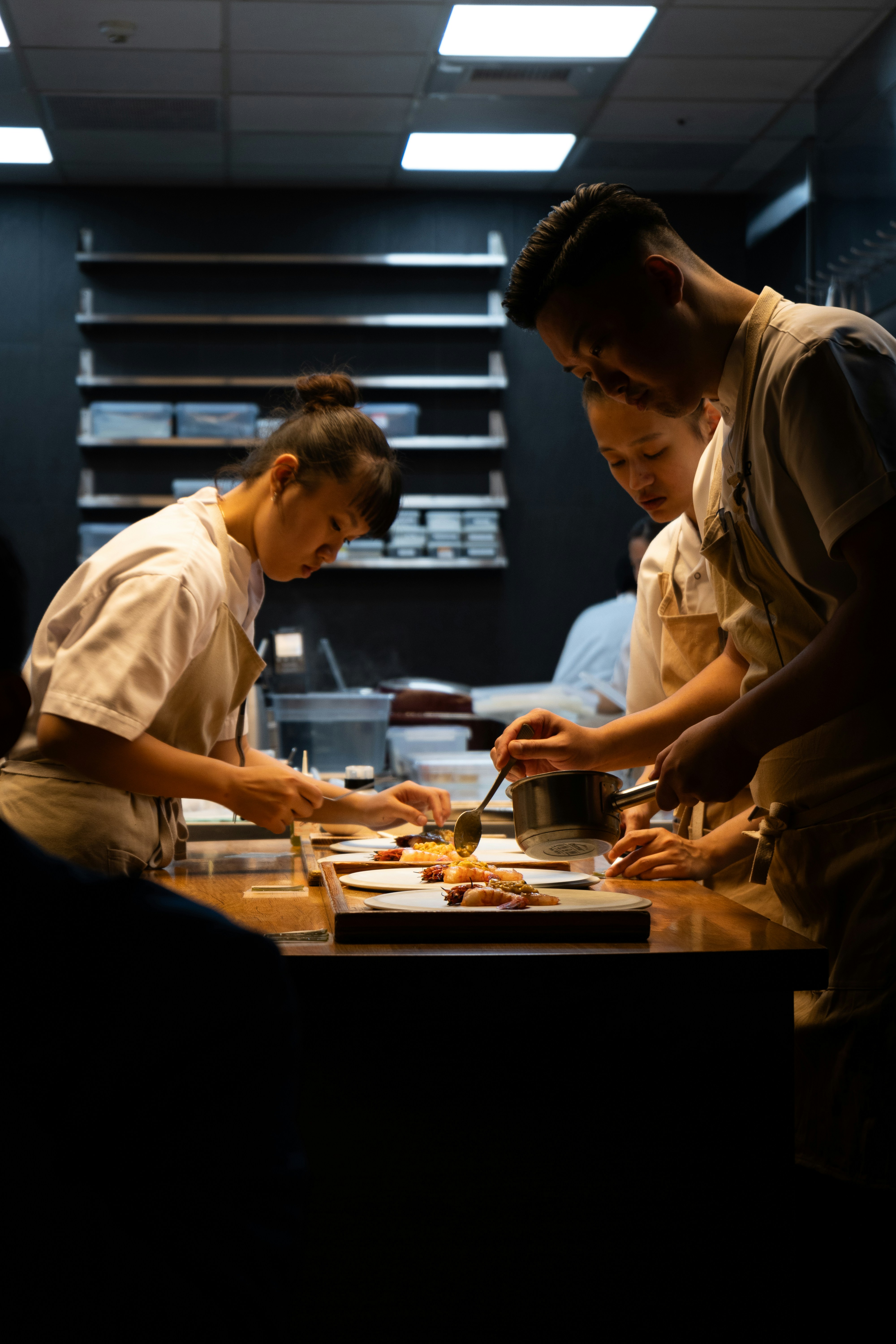
We interview prep cooks as often as head chefs. The story of a restaurant lives in the full kitchen, not just the person whose name is above the door.
We pay for every meal we review. Always.
Chronicle accepts no advertising from restaurants, no comped meals, no press trips. Independence is the only thing that makes this worth reading.
Get the Weekly Dispatch
One story, every Thursday. No algorithm, no aggregation. Just the piece we think is worth your time this week.
4,200 readers. Unsubscribe any time.
Stories in the Current Dispatch
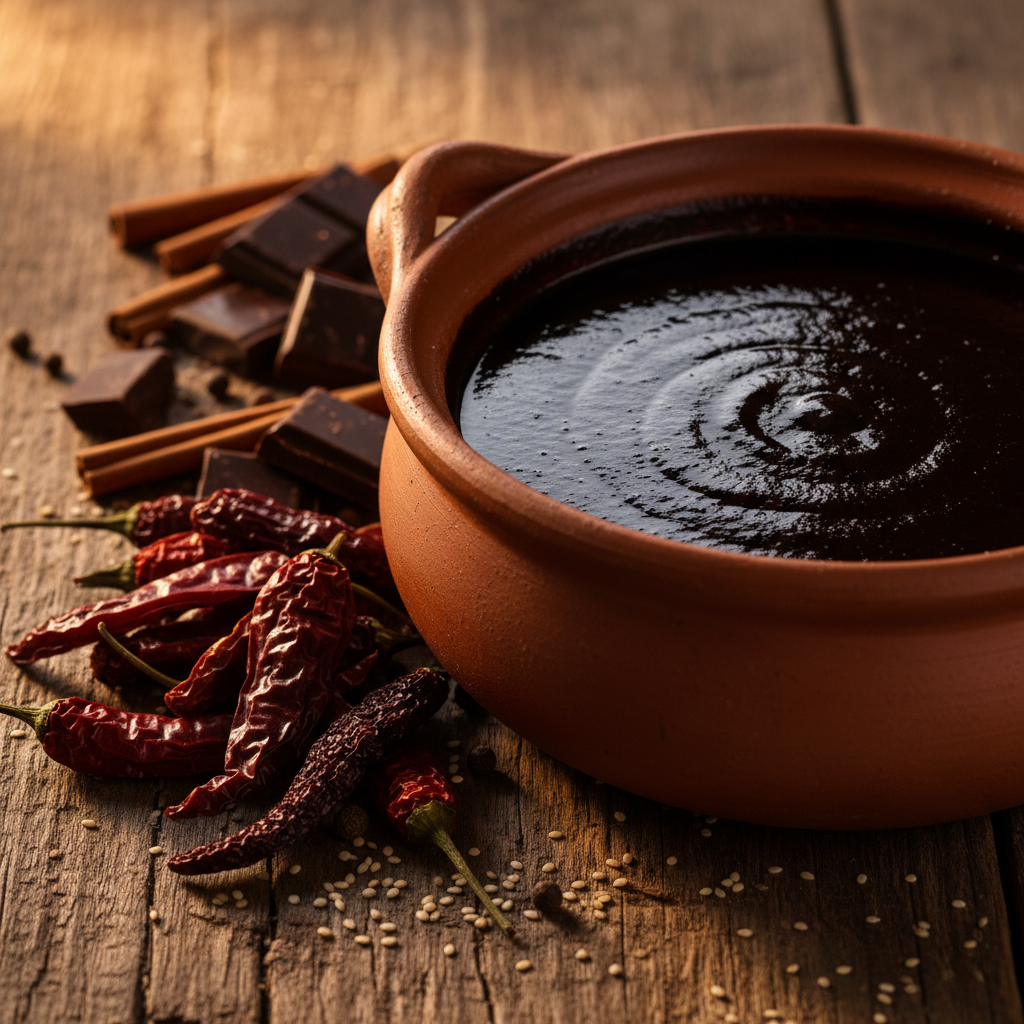
The Forty-Year Mole at Doña Lupe's — and Why You've Never Heard of It
In a corridor off Calle Mesones, a woman has been stirring the same pot for four decades. Not as metaphor. Not as marketing. As fact.
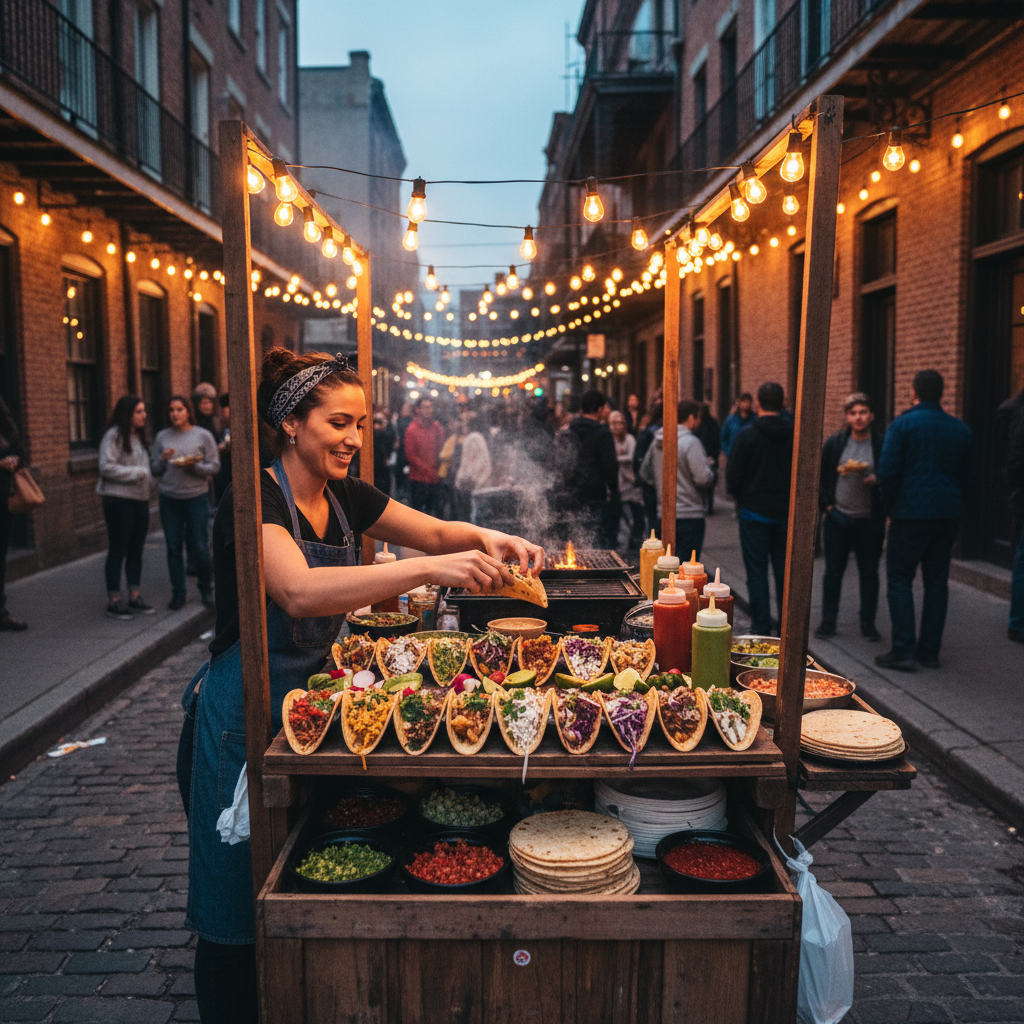
The Taquería That Outlasted Three Recessions
Rosario Fuentes opened her window on Magazine Street in 1991. She has watched four restaurants open across the street and close. She is still there.
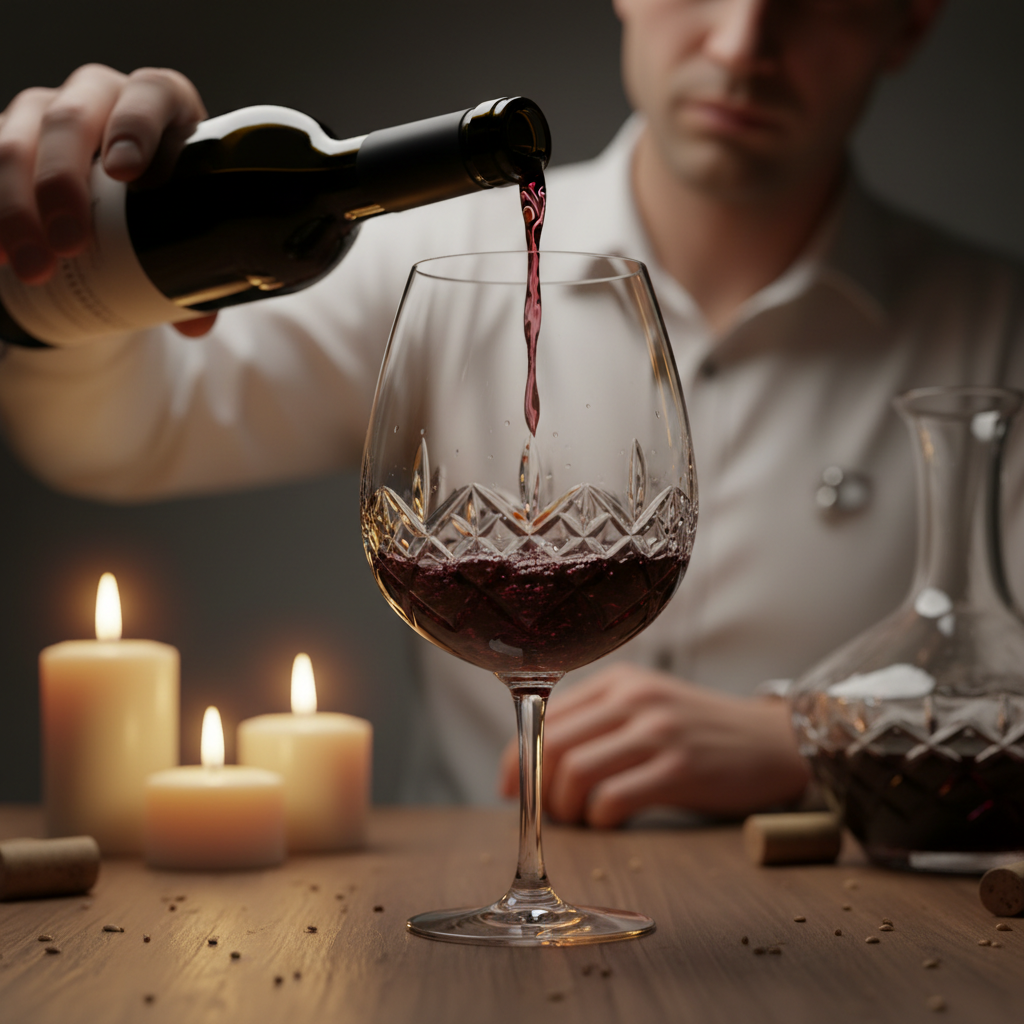
The Man Who Quit Goldman to Pour Natural Wine in Tribeca
Marcus Webb had a corner office and a seven-figure year. He walked away. Now he opens bottles for thirty people a night and says it's the first job he's ever loved.
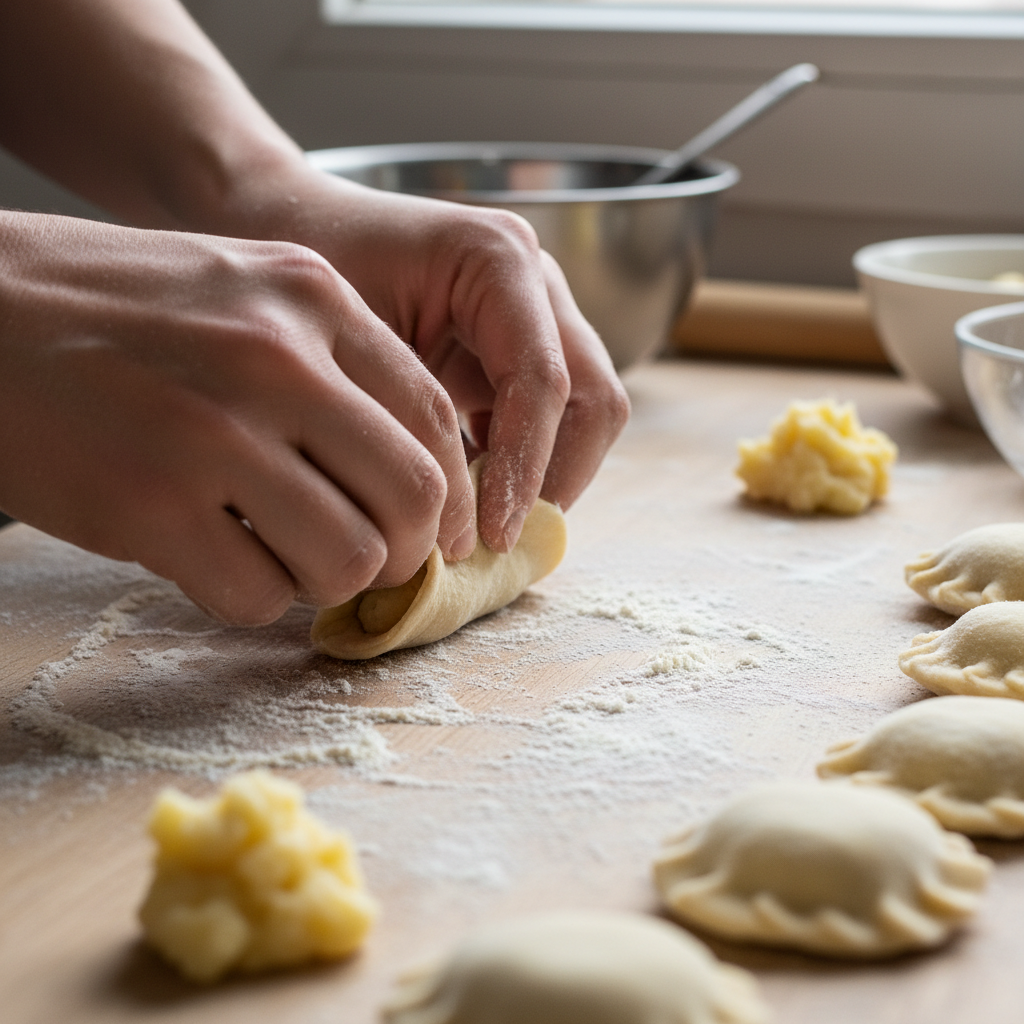
Scaling Grandma's Pierogi Recipe for 200 Covers on a Friday Night
Chef Aleksandra Kowalski keeps her grandmother's handwritten recipe card laminated above her station. She has never changed a single ratio. She has changed everything else.
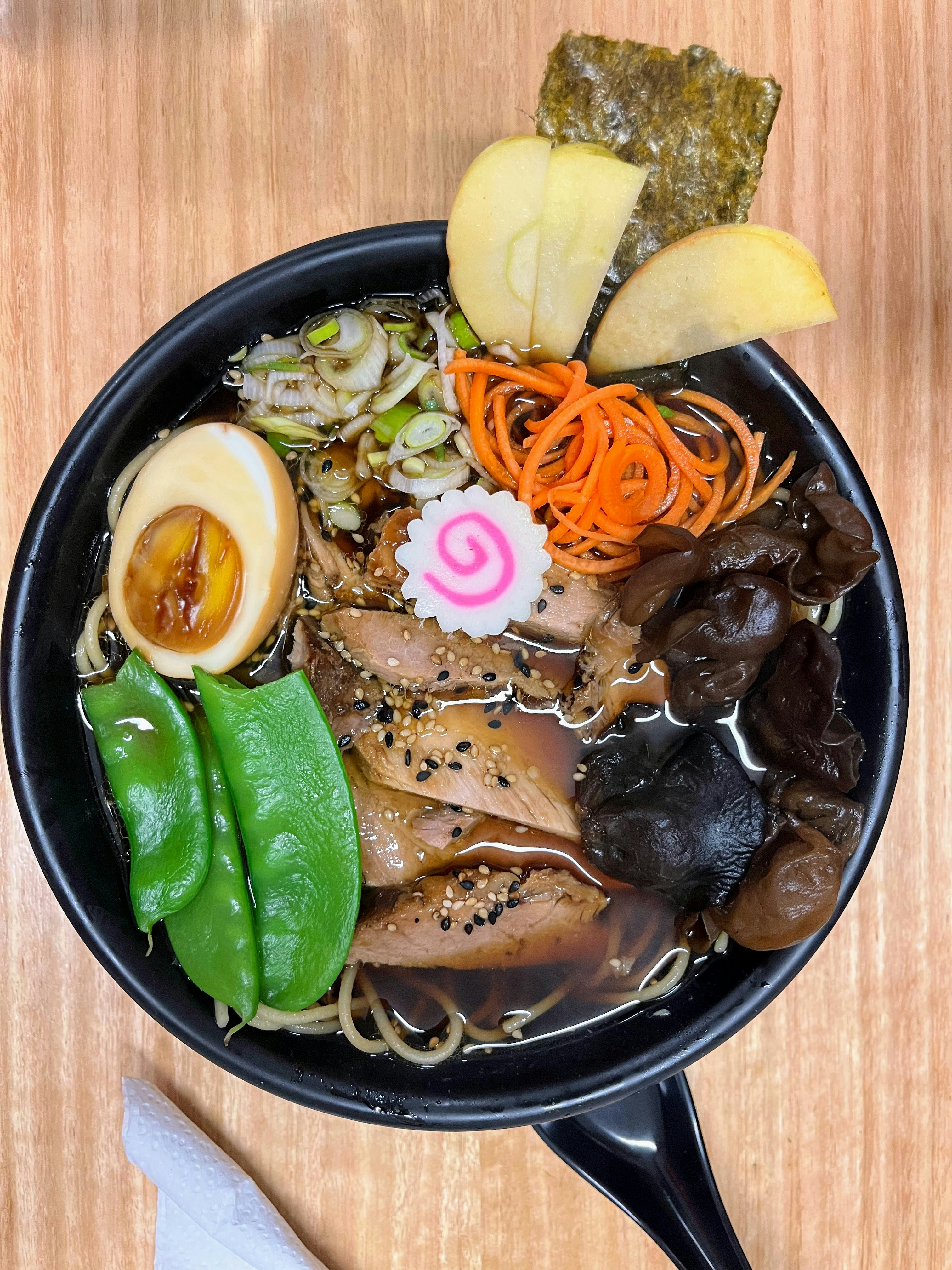
The Ramen Shop That Refuses to Expand
Kenji Watanabe could have opened three more locations by now. He has been offered the capital twice. He keeps saying no. The broth, he explains, takes 36 hours.
Five Cities, Eaten Slowly
Not itineraries. Not top-ten lists. City-by-city collections of the restaurants that earned their place on the page.
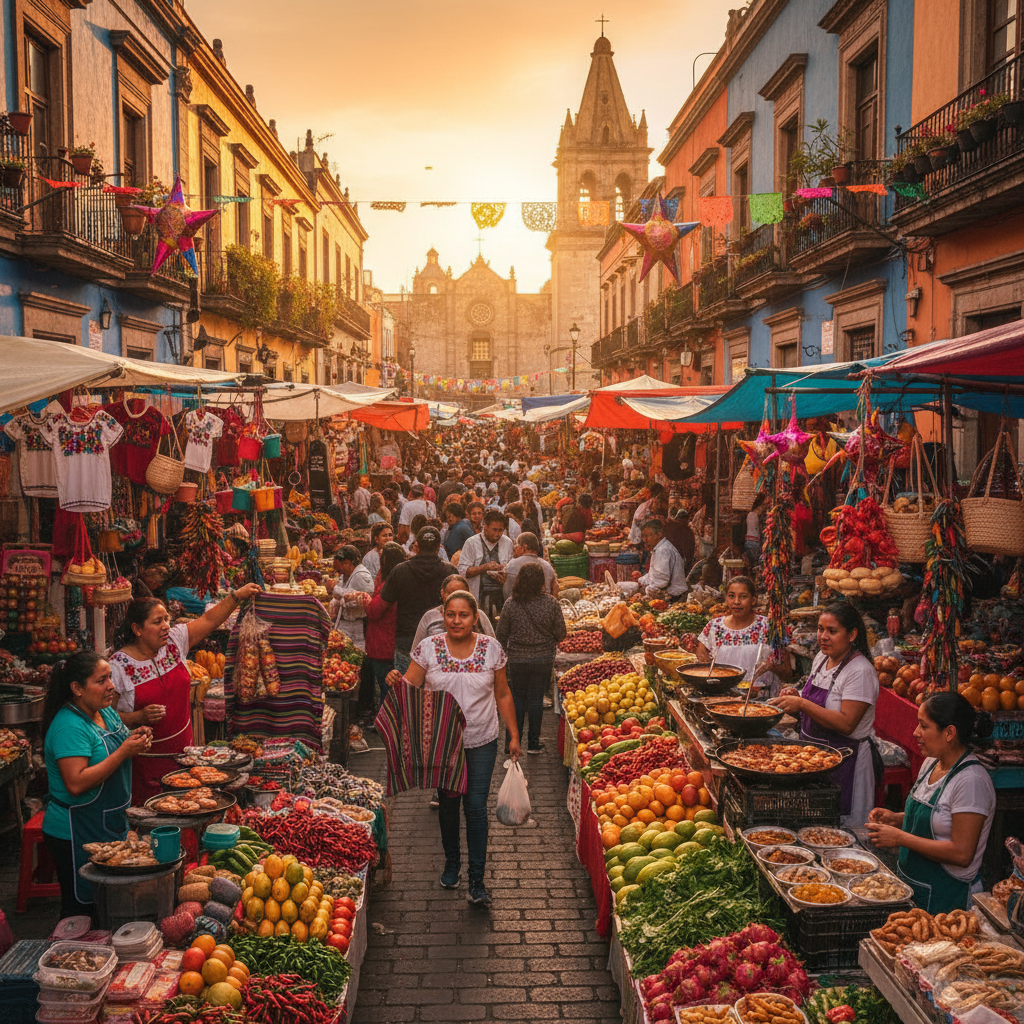
Mexico City
Ancient kitchens, modern plates, and everything in between.
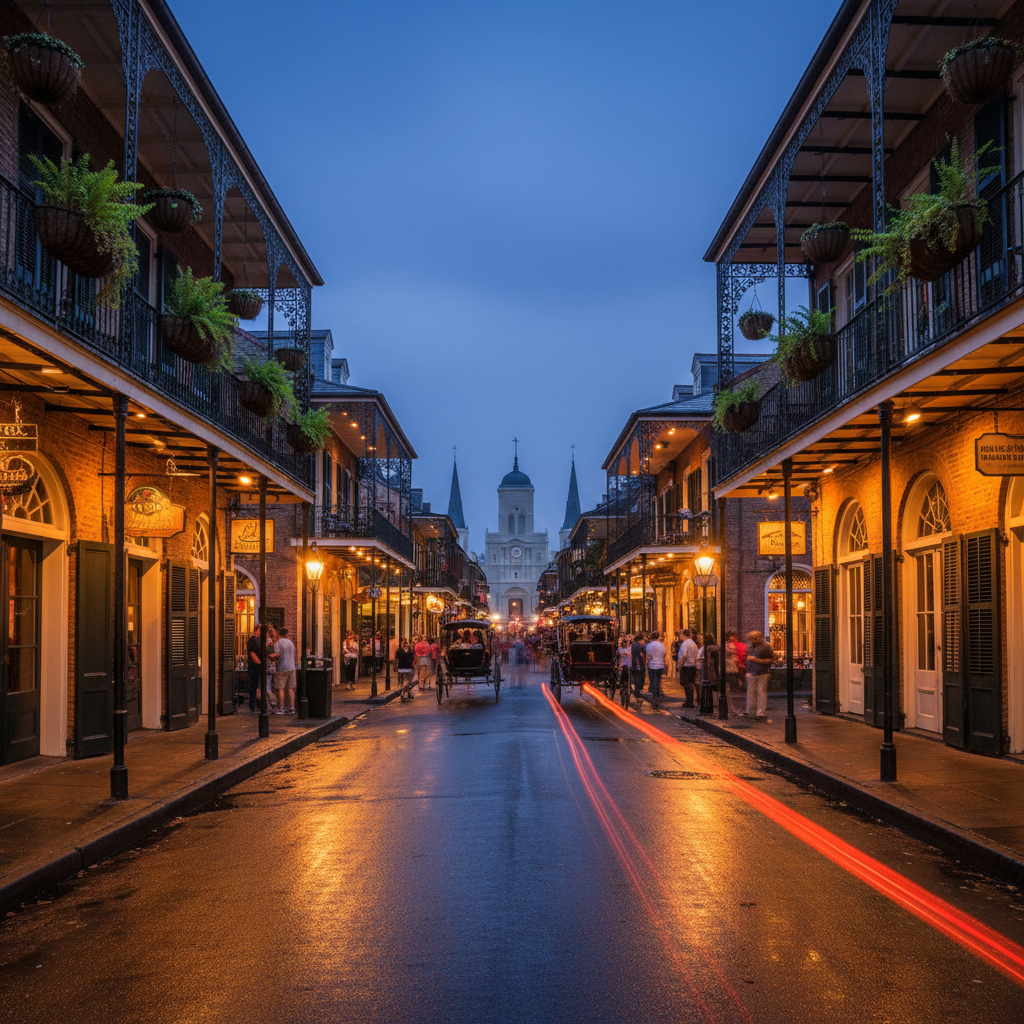
New Orleans
Where the gumbo still earns its roux and jazz seasons the food.
Read the Guide →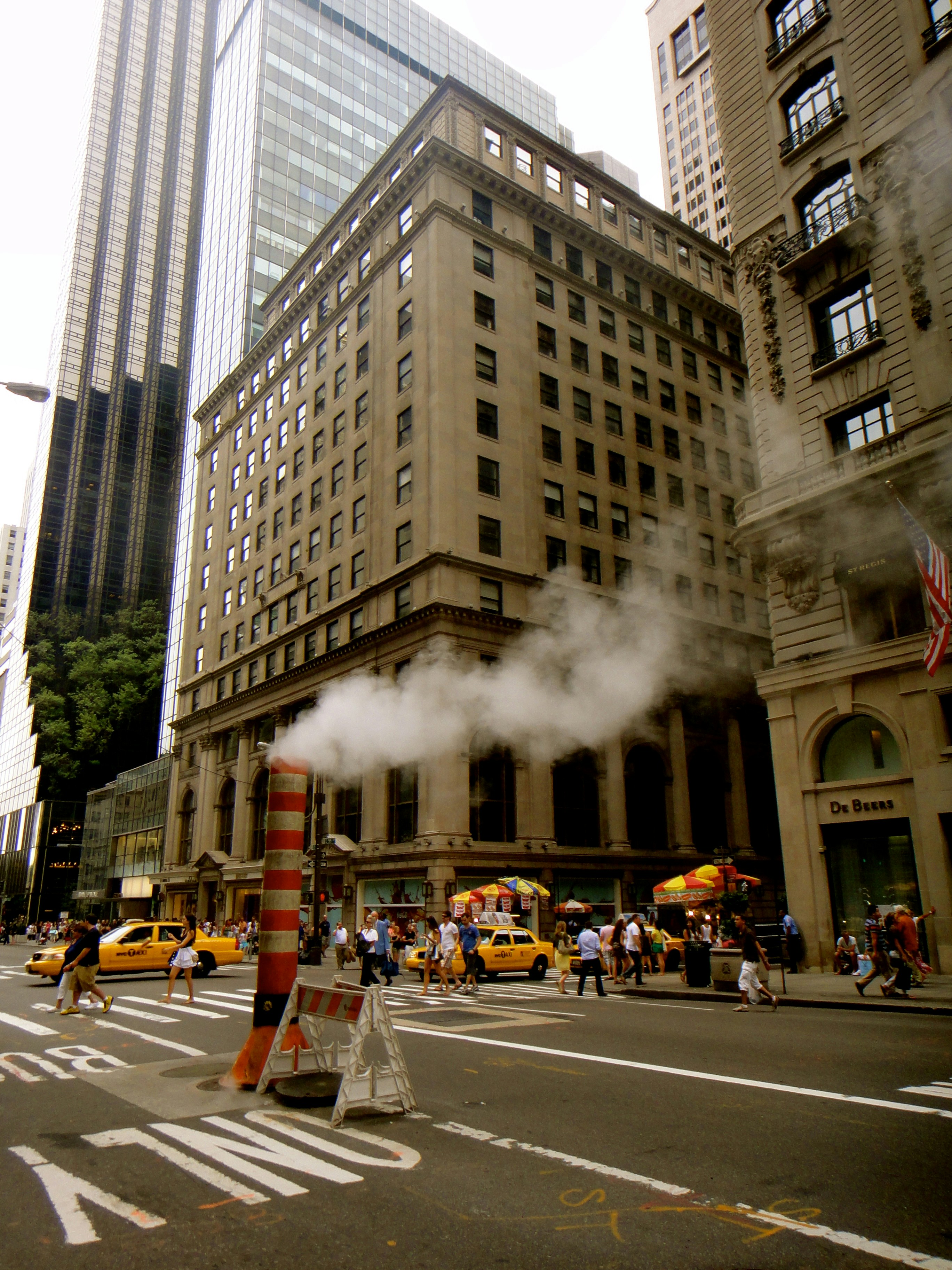
New York
Thirty-one restaurants that refuse to be explained by their neighborhoods.
Read the Guide →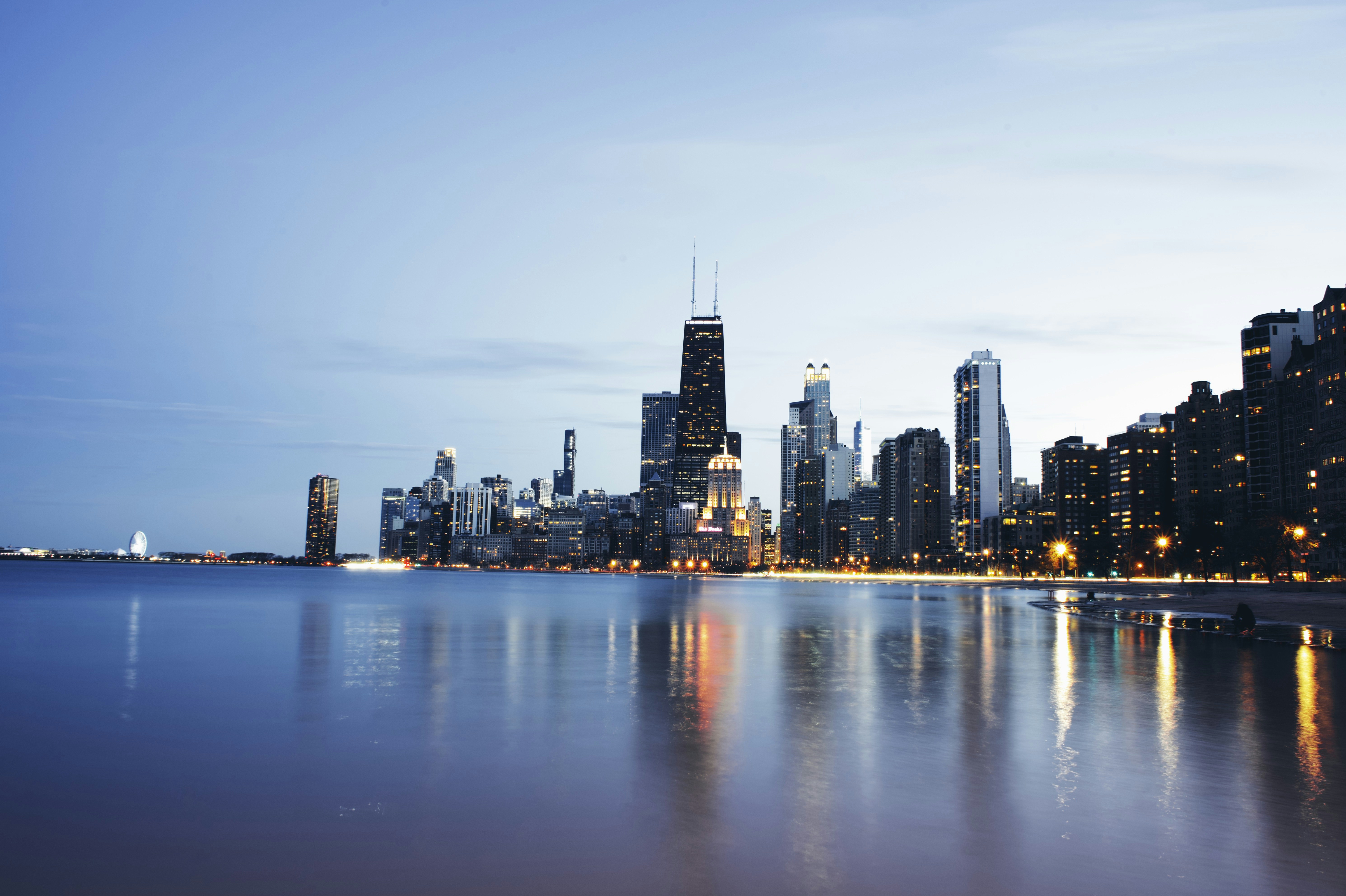
Chicago
Immigrant kitchens, steakhouse heritage, and a fermentation revival.
Read the Guide →
Portland
Where the broth takes 36 hours and the menu changes with the rain.
Read the Guide →Six Dishes Worth Traveling For
Not the most hyped. Not the most expensive. The dishes we keep thinking about, ranked by how long they've stayed with us.
Mole Negro
Fonda Doña Lupe · Mexico CityForty years of layered depth. The chile mulato alone takes three days to prepare. Nothing on a menu anywhere should cost this little.
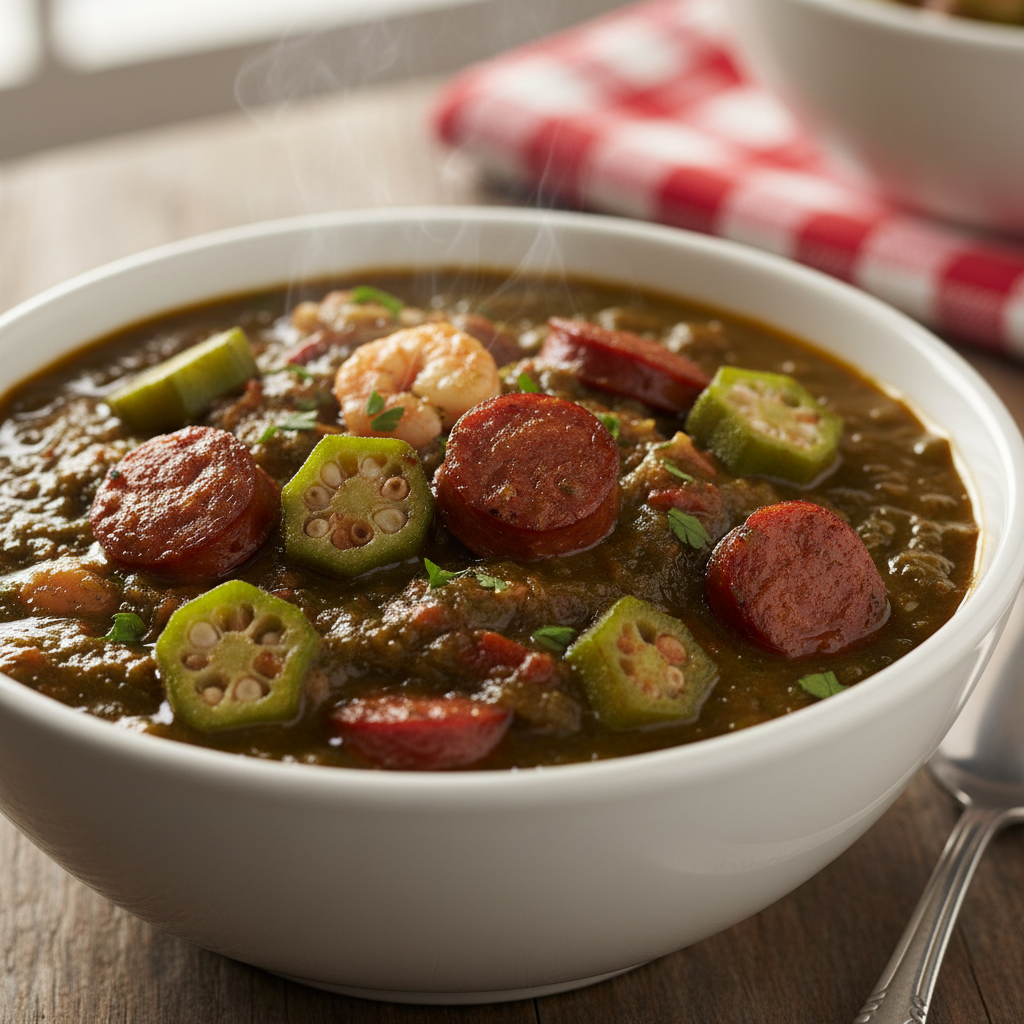
Gumbo Z'Herbes
Dooky Chase's · New OrleansServed only on Holy Thursday. Seven greens, three hours, one pot that has been in continuous use since 1941.
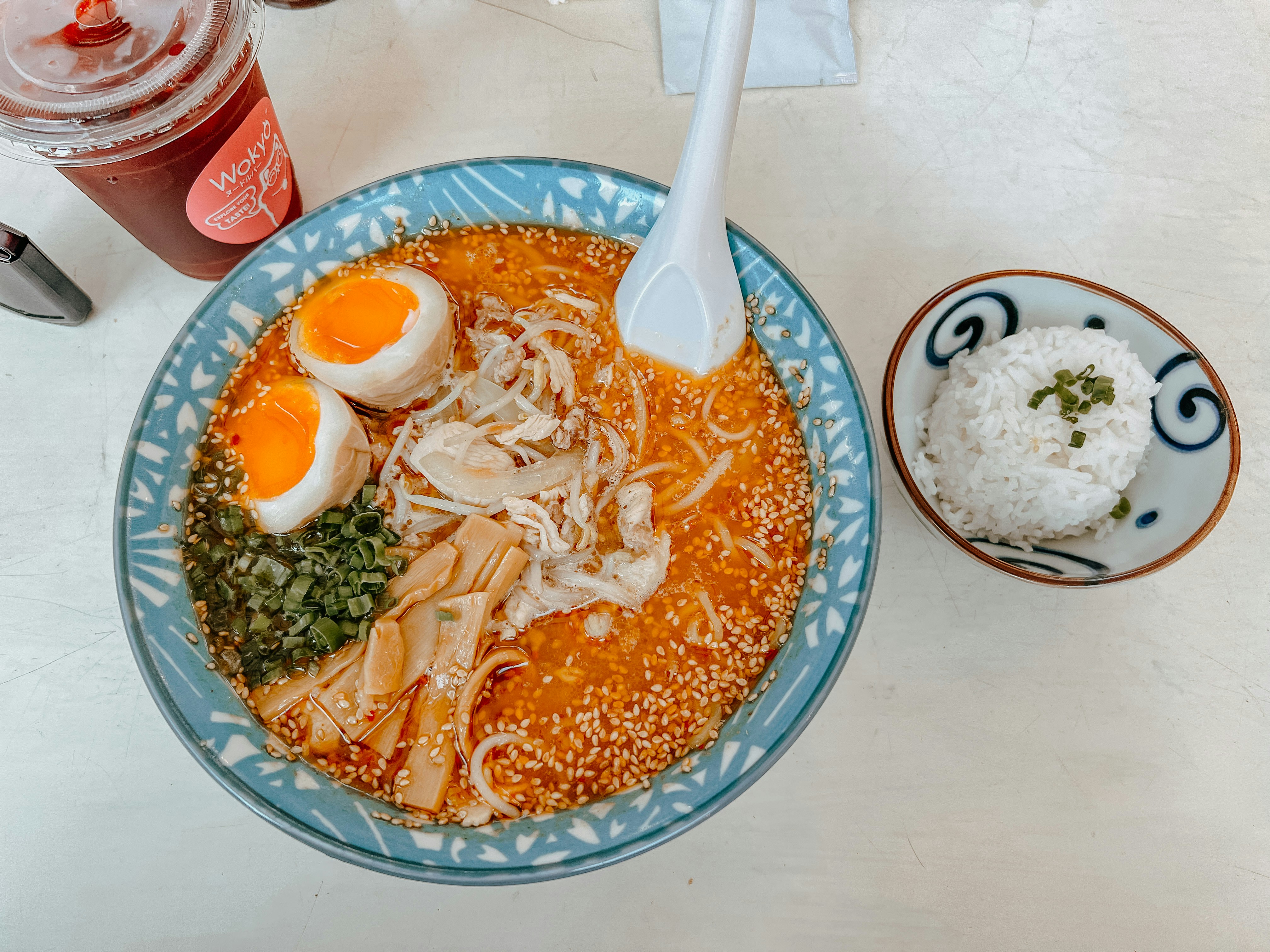
Tonkotsu Ramen
Watanabe Ramen · PortlandKenji won't scale it. 36-hour broth, 40 covers a night, no exceptions. The noodles are made at 6am every morning.
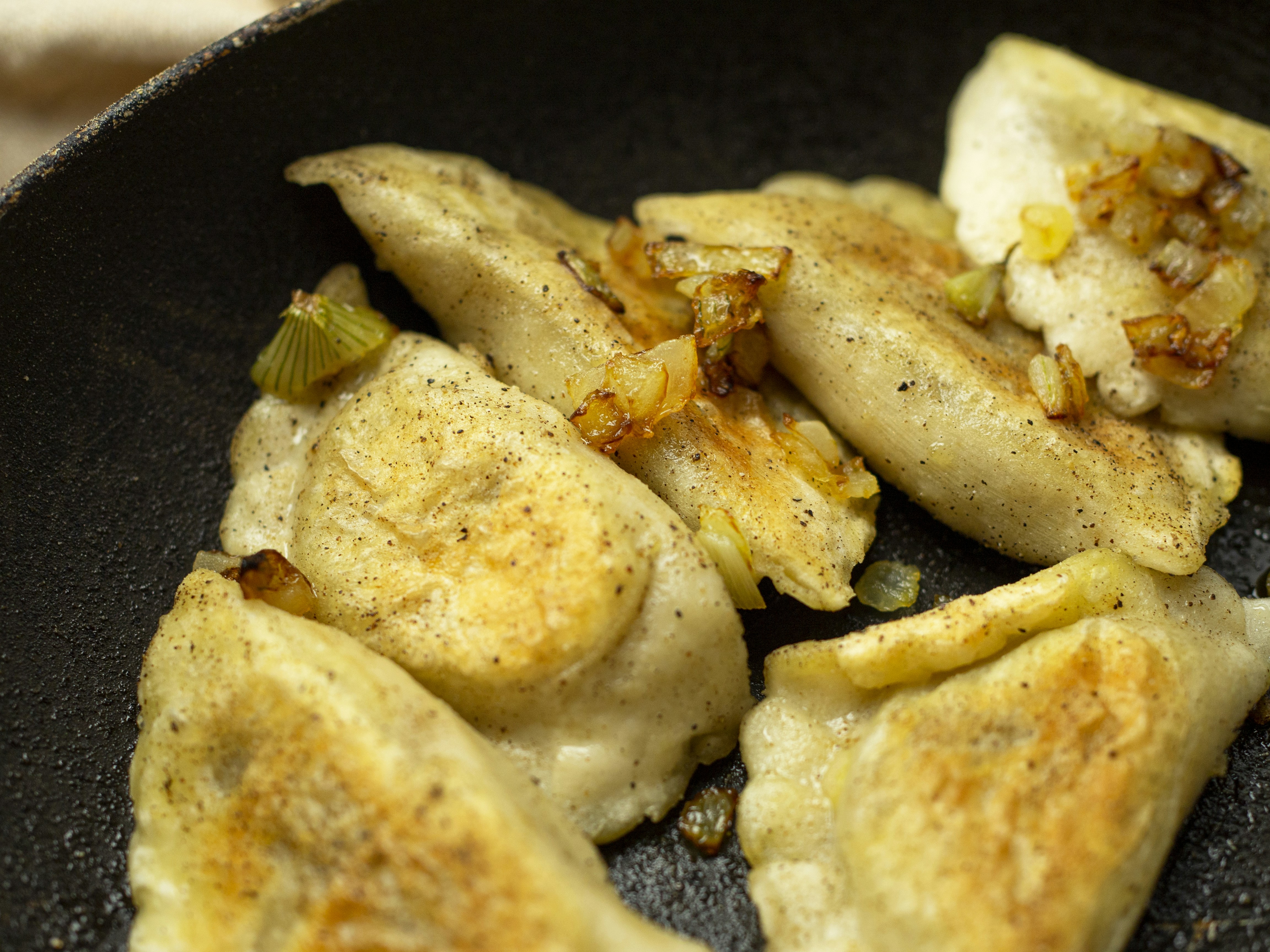
Duck Confit Pierogi
Polana · ChicagoChef Aleksandra scales her grandmother's recipe nightly. The ratio of potato to cheese has never changed. The duck is her own addition. It works.
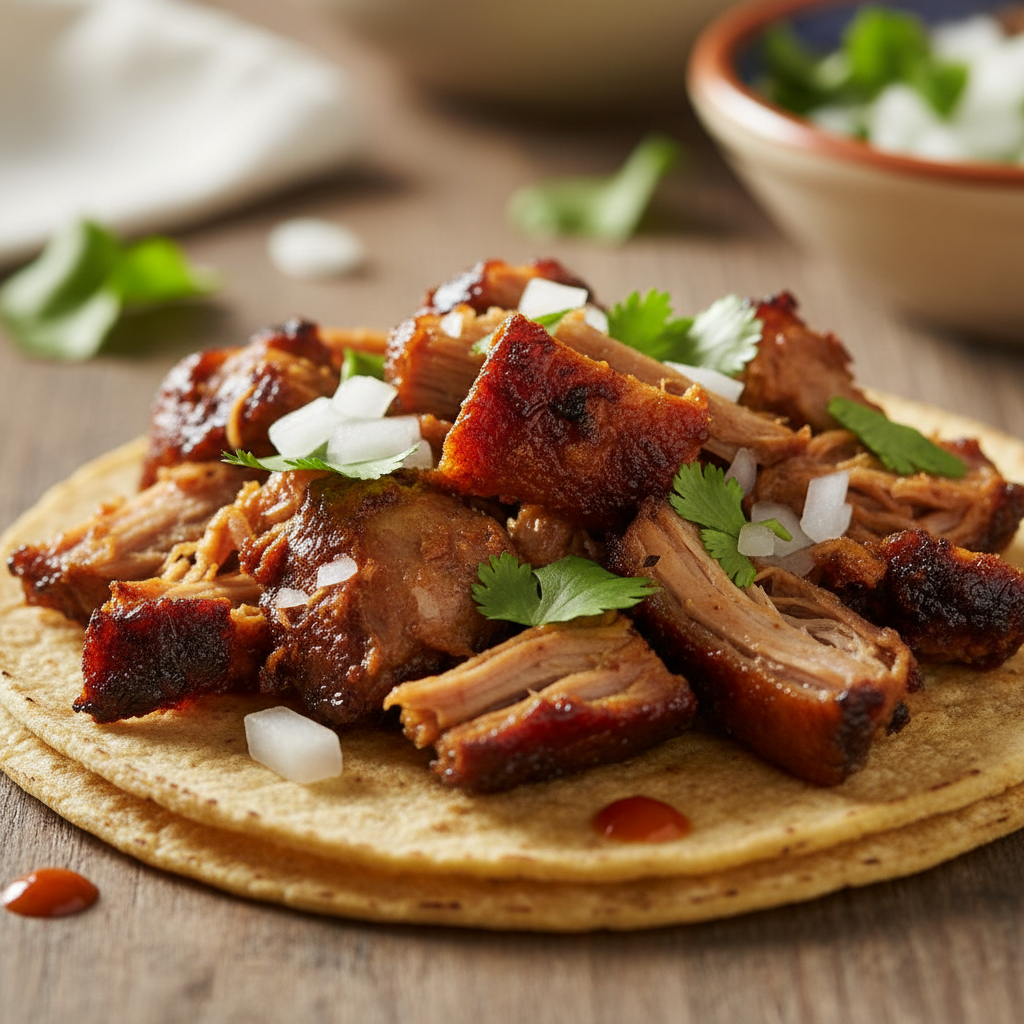
Al Pastor Taco
La Fuentes · New OrleansRosario's trompo has been turning since 1991. The marinade recipe lives only in her memory. She has never written it down.
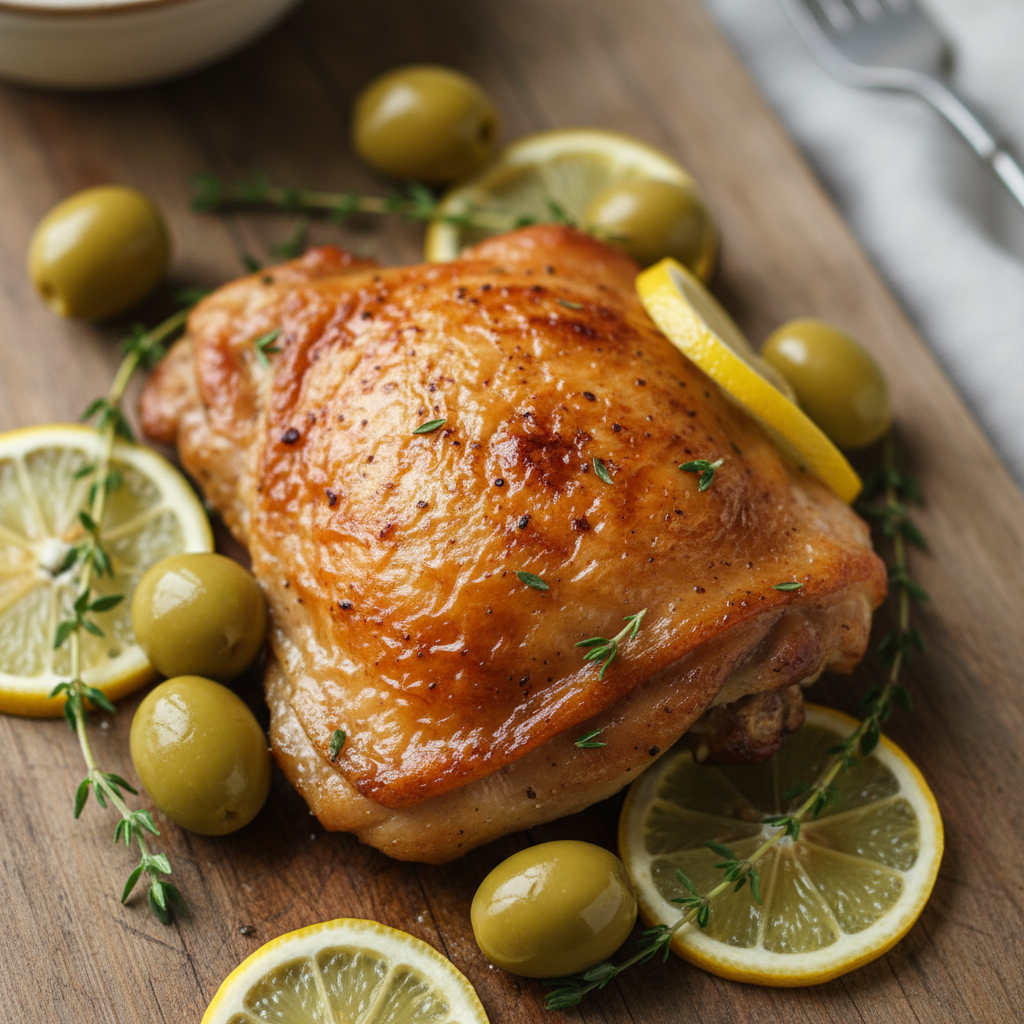
Picholine Olive Chicken
Maison Faurie · New YorkThe dish that has appeared on every menu since the restaurant opened in 2004. It has never been taken off. Regulars would revolt.
The writers who eat for the story, not the star.
Chronicle is written by five journalists who believe restaurants deserve the same critical attention as books, films, or architecture. We pay for every meal. We return before we publish. We write long.
The publication is independently owned. No investors, no advertisers, no restaurant groups with a stake in the coverage. The only thing that funds Chronicle is readers who find it worth paying for.
"A meal is an argument. About place, about memory, about who gets fed and who doesn't. We try to report the argument, not just the food."
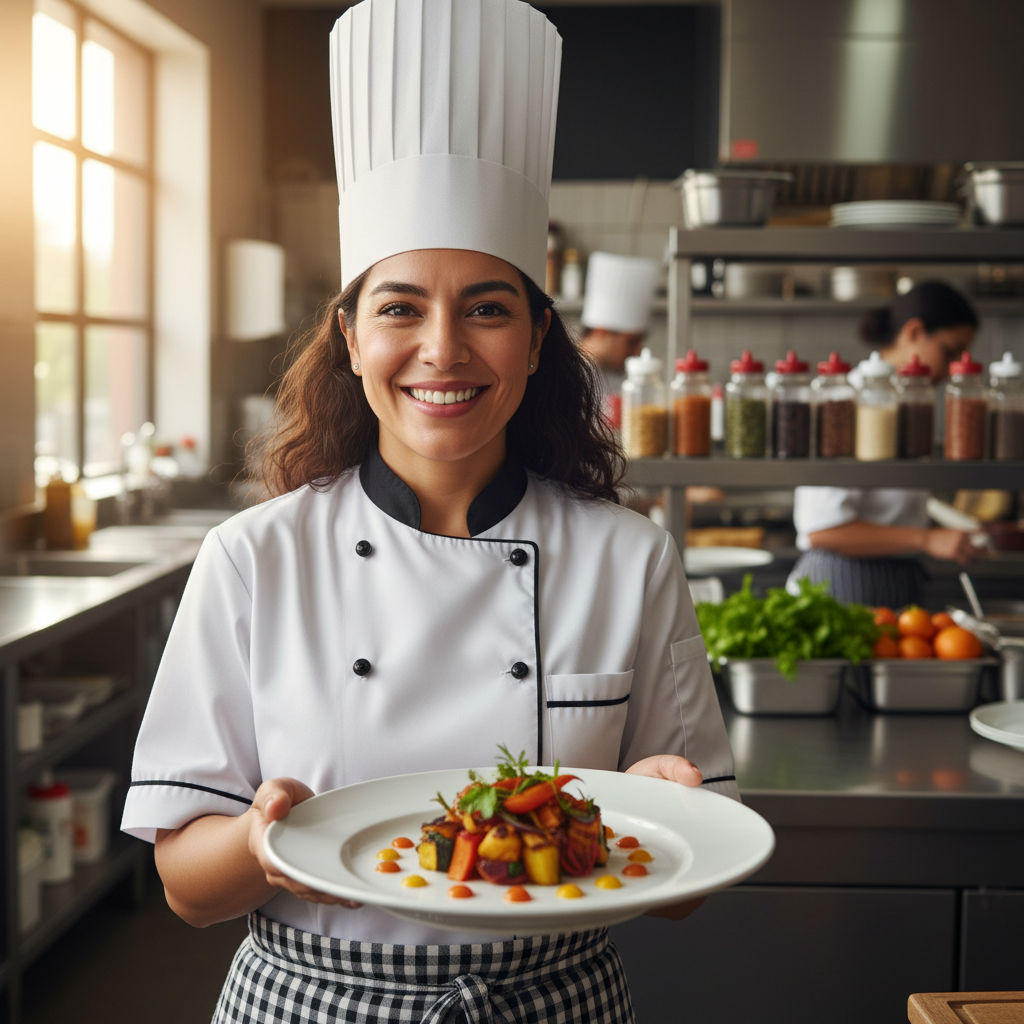
Elena Márquez
Founding Editor · Mexico City & New YorkFormer staff writer at The New Yorker. Has eaten in 47 countries. Believes the best food journalism is indistinguishable from the best travel writing.
34 stories published
James Thibodaux
New Orleans CorrespondentBorn and raised in the Tremé. Has been writing about food since before it was called food writing. Knows every second-line route and every good gumbo between them.
22 stories published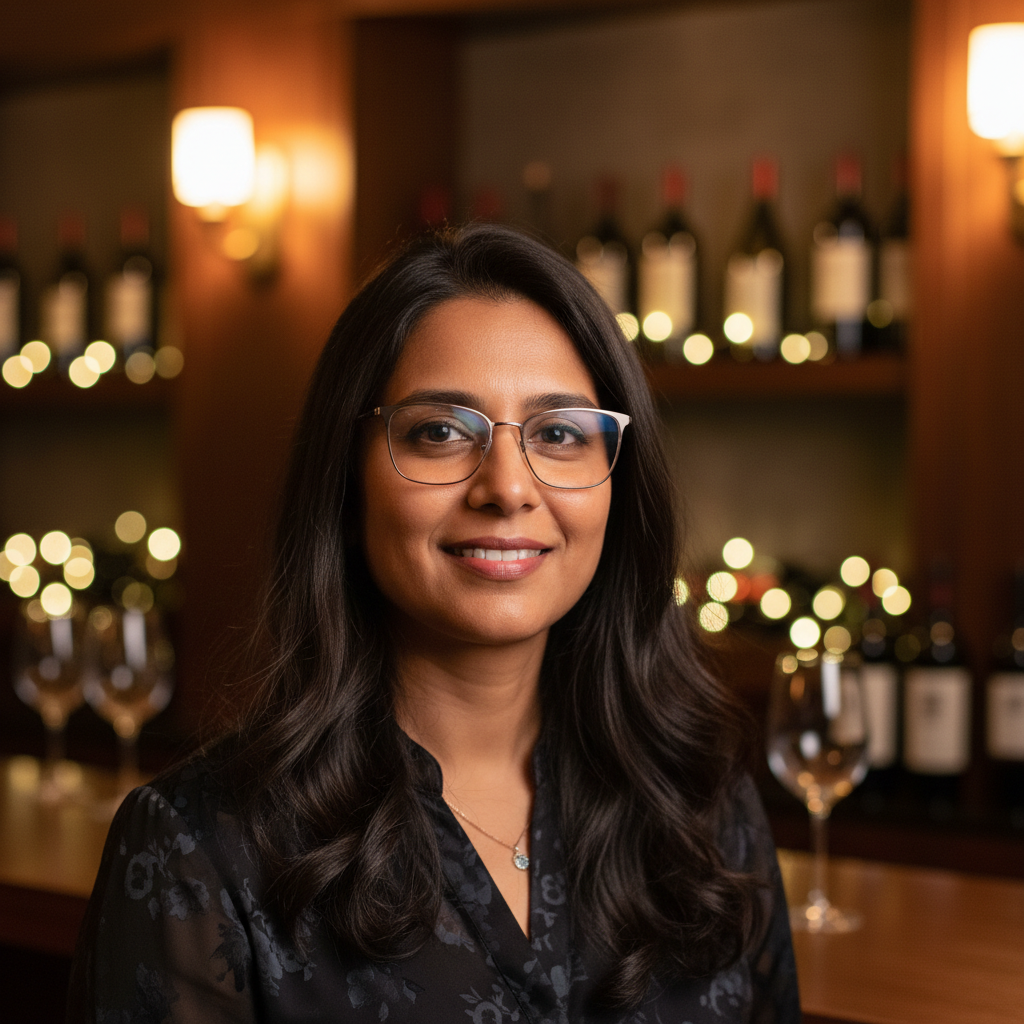
Priya Nair
New York & Chicago CorrespondentTrained sommelier, lapsed investment banker, full-time eater. Writes about wine only when the wine is the story. Usually, the story is something else.
19 stories published
Sarah Okonkwo
Pacific Northwest CorrespondentCovers Portland and Seattle. Particularly interested in fermentation, preservation, and the restaurants built around what doesn't last.
15 stories published7
Years of Publishing
4,200+
Weekly Dispatch Readers
90+
Stories Published
5
Cities Covered Deeply